Your vehicle’s headlights play a critical role in keeping you safe on the road. Whether you’re driving at night, during heavy rain, or through foggy conditions, clear and bright headlights help you see obstacles, road signs, and other vehicles more effectively.
Over time, headlights can become cloudy, yellowed, or oxidized due to exposure to sunlight, weather, and road contaminants. These issues not only reduce visibility but can also make your vehicle look older and less maintained.
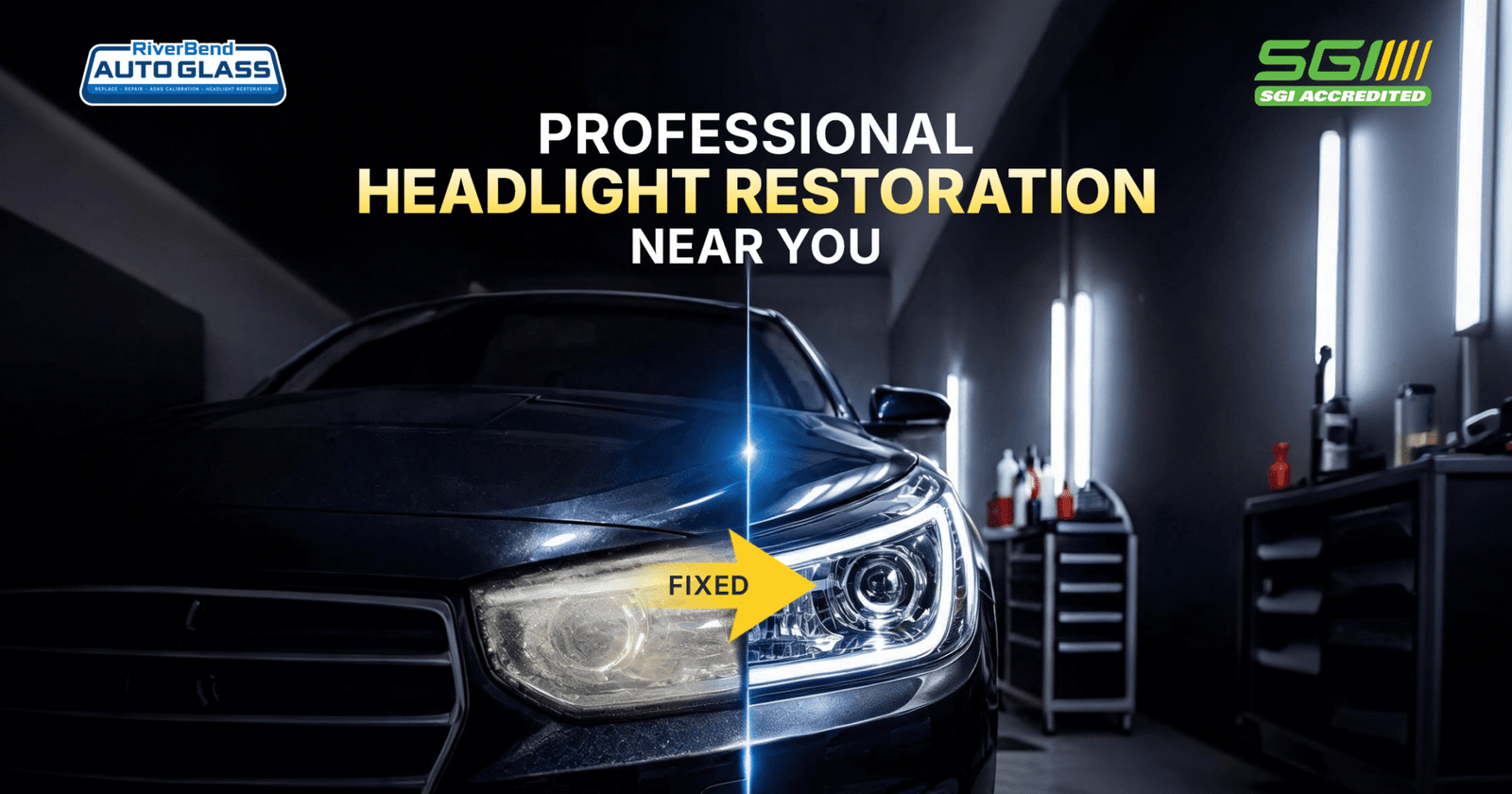
Professional headlight restoration is a cost-effective solution that restores clarity, improves nighttime visibility, and enhances your vehicle’s overall appearance. If you’re searching for professional headlight restoration near you, understanding the process and benefits can help you make the right decision.
What Is Headlight Restoration?
Headlight restoration is a specialized process designed to remove oxidation, discoloration, scratches, and surface damage from headlight lenses. The goal is to restore the lens to a clear, like-new condition without the need for expensive replacement.
Understanding the Restoration Process
- Removing oxidation and discoloration. The restoration process begins with a thorough cleaning of the lens surface. The technician then uses a progressive system of wet sanding—starting with coarse grit and moving to finer grits—to remove the damaged outer layer of the plastic. This step eliminates the yellowing, scratches, and dirt buildup that cause haze.
- Restoring clarity and brightness. After sanding, the lens is polished using professional-grade compound and a buffing pad (often attached to a drill). This step removes any remaining oxidation and restores the lens’s transparency and shine. Professional restoration can improve headlight illumination by up to 525% and improve nighttime visibility by up to 60 meters .
- Protecting headlights from future damage. The final step is applying a UV protectant or clearcoat sealant. This protective layer shields the lens from future UV damage, oxidation, and moisture, keeping your headlights clear for longer. Without this protection, restored headlights can yellow again within months .
Restoration vs. Replacement
Cost comparison. Professional headlight restoration typically costs significantly less than replacing the entire headlight assembly. Restoration is often a fraction of the cost of new OEM or aftermarket headlights, making it an economical alternative for vehicle owners .
When restoration is the better option. Restoration is ideal when your headlights are yellowed, foggy, or lightly scratched but still structurally intact. If the lenses are severely damaged, cracked, or have water condensation inside, replacement may be the better choice .
Common Causes of Headlight Damage
Your headlights work hard every day. They endure sunlight, road debris, harsh weather, and the natural wear of time. Understanding what causes headlight damage helps you prevent it and know when restoration is needed.
UV Exposure
Sunlight is the primary enemy of headlight lenses. Over time, ultraviolet (UV) rays break down the protective coating on polycarbonate lenses, causing oxidation and fading. This process makes the lenses appear cloudy, yellow, or hazy. UV damage is cumulative and irreversible without professional restoration.
Road Debris and Contaminants
Dirt, sand, gravel, and chemicals kicked up from the road take a toll on headlight surfaces. Small impacts create microscopic pits and scratches that accumulate over time. Brake dust, road salt, and industrial fallout can etch into the lens, further reducing clarity and light output.
Weather Conditions
Rain, snow, and temperature fluctuations accelerate headlight deterioration. Moisture can seep into microscopic cracks, causing internal fogging. Freeze-thaw cycles expand and contract the lens material, worsening existing damage. Harsh winter conditions with road salt and sand are particularly damaging.
Age and Wear
Natural deterioration over time is unavoidable. The protective UV coating on headlights has a finite lifespan, typically 5-10 years depending on exposure. Once this coating fails, the underlying plastic becomes vulnerable to all the other damaging factors. Regular maintenance and timely restoration extend the life of your headlights and keep you safe on the road.
Signs Your Headlights Need Restoration
Recognizing the warning signs early can help maintain safe driving conditions.
Yellow or Cloudy Appearance
The most visible sign is a yellow, hazy, or cloudy appearance on the lens surface. This is caused by oxidation—the same process that turns a white car yellow. As the clear coat degrades, the plastic underneath becomes discoloured and rough. This roughness scatters light instead of projecting it forward, drastically reducing the effectiveness of your headlights.
Poor Nighttime Visibility
If you find yourself straining to see the road at night, or if your headlights seem dimmer than they used to be, oxidation is likely the culprit. Clouded lenses can reduce light output by as much as 50%, dramatically shortening your effective visual range. If you are frequently using your high beams just to see the road clearly, it is time for a restoration.
Failed Vehicle Inspections
Many provinces require headlights to pass a safety inspection for registration or sale. A yellow or cloudy headlight that fails to meet the required brightness or beam pattern is a common reason for inspection failure. Restoring your headlights is often the quickest and most cost-effective way to resolve this.
Uneven or Dull Headlight Beams
If your headlight beams appear uneven, patchy, or have a dull, scattered pattern on the road or garage wall, the lens is likely diffusing the light. Properly restored headlights produce a sharp, even beam pattern with a clear cutoff line, which is essential for safe night driving.
Benefits of Professional Headlight Restoration
Professional restoration improves nighttime visibility, enhances driving safety, restores your vehicle’s appearance, saves money compared to replacement, and helps maintain or increase resale value.
Improved Road Visibility
Professional headlight restoration removes the oxidized layer and surface scratches that scatter light, restoring your headlights to near-original clarity. The result is brighter, clearer light output that illuminates the road more effectively. You will see further ahead, react faster to obstacles, and drive with greater confidence, especially on dark, unfamiliar roads. The difference is noticeable immediately after treatment.
Enhanced Safety
Better visibility directly translates to better safety. When you can see more clearly, you can identify pedestrians, cyclists, animals, and obstacles sooner. Equally important, restored headlights make your vehicle more visible to other drivers. The increased beam intensity and proper light focus ensure you see and are seen, reducing the risk of accidents, particularly during night driving and in adverse weather conditions.
Improved Vehicle Appearance
Cloudy, yellowed headlights can make even a well-maintained vehicle look aged and neglected. Professional restoration removes the haze and yellowing, giving your vehicle a cleaner, newer appearance. This aesthetic improvement enhances your overall vehicle presentation and pride of ownership.
Cost Savings
Full headlight replacement can cost hundreds of dollars per assembly. Professional restoration is significantly more affordable, typically costing $50–150 depending on the service and severity of oxidation. Restoration extends the life of your existing headlights, delaying or eliminating the need for expensive replacement.
Increased Resale Value
First impressions matter to potential buyers. A vehicle with clear, bright headlights appears well-maintained and cared for. Restoration is a small investment that can improve your vehicle’s resale appeal and potentially justify a higher asking price.
The Professional Headlight Restoration Process
Professional restoration services use proven methods and high-quality materials to achieve lasting results.
Initial Inspection
The process begins with a thorough inspection. A certified technician examines your headlights to assess the severity of oxidation, pitting, scratching, and UV damage. They determine the appropriate restoration method based on the condition of the lenses. Some headlights may require more aggressive sanding, while others need only a light polish. The technician also checks for moisture intrusion, cracks, or internal damage that cannot be repaired through restoration.
Surface Cleaning
Before any sanding or polishing begins, the technician thoroughly cleans the headlight surface. This removes dirt, grease, tar, and road debris that could interfere with the restoration process. Proper surface preparation ensures the sanding and polishing steps work effectively and evenly across the entire lens.
Oxidation Removal
This is the core step of the restoration process. The technician uses progressively finer grades of sandpaper to remove the oxidized, yellowed layer from the headlight surface. They start with a coarse grit to cut through the heavy oxidation and scratches, then gradually move to finer grits to smooth the surface. This step requires skill and patience—too much sanding can damage the lens, while too little leaves the oxidation behind.
Lens Refinement
After sanding, the technician uses specialized compounds and polishing pads to refine the lens surface. This step removes the fine scratches left by the sanding process and restores optical clarity. The polishing process brings back the headlight’s original transparency, allowing light to pass through without scattering.
UV Protective Coating Application
The final and most critical step is applying a high-quality UV protective coating. This clear coat seals the lens and blocks the UV rays that caused the original damage. Without this protective layer, the headlights will yellow again within months. The coating is carefully applied to ensure even coverage and long-lasting protection.
Final Quality Check
After the coating has healed, the technician performs a final inspection. They verify that the lens is clear, smooth, and free of streaks or imperfections. They may also check the headlight beam pattern to ensure proper light output and alignment. A quality shop will stand behind their work with a warranty on the restoration.
Why DIY Headlight Restoration Often Falls Short
While many DIY restoration kits are available, they frequently fail to deliver long-term results.
- Temporary results. DIY kits typically use abrasive compounds to remove the oxidized layer. This works initially, but without a proper UV sealant, the oxidation returns within weeks or months. The sun’s UV rays continue to degrade the polycarbonate lens, and you will be restoring your headlights repeatedly—each time removing more of the protective layer.
- Lack of professional-grade materials. Commercial kits use lower-grade abrasives and sealants that cannot match professional products. Professional technicians use specialized compounds, multi-step sanding processes, and high-quality UV-resistant clear coats that bond with the lens, providing long-lasting results.
- Risk of damaging the lens. Aggressive sanding can cause permanent scratches, swirl marks, or even distortion of the lens surface if not done correctly. Once the lens is damaged, replacement becomes the only option. Professionals have the experience and tools to remove oxidation evenly without harming the underlying plastic.
- Missing UV protection. The most critical step is applying a UV-blocking clear coat to prevent future oxidation. Most DIY kits skip this step or include a weak sealant that wears off quickly. Without proper protection, your headlights will yellow again within months, and repeated sanding will eventually wear down the lens.
How Long Does Headlight Restoration Last?
The lifespan of headlight restoration depends on several factors.
Factors Affecting Durability
- Vehicle usage
- Climate conditions
- Sun exposure
- Maintenance habits
- Quality of restoration materials
Importance of Protective Coatings
The most significant factor in restoration longevity is the application of a UV-protective coating after the restoration process. A high-quality clear coat or UV sealant acts as a barrier between the plastic lens and the sun’s damaging rays, preventing rapid re-oxidation. Without this protective layer, restored headlights can begin to yellow again within a few months. Professional restoration services typically include this coating as part of the service.
Maintenance Tips for Longer-Lasting Results
- Wash your vehicle regularly
- Remove contaminants promptly
- Apply protective products when recommended
- Avoid harsh chemicals
- Address early signs of oxidation quickly
With proper care, professionally restored headlights can remain clear for several years.
Mobile Headlight Restoration Services
Many providers now offer mobile headlight restoration services for added convenience.
Convenient On-Site Service
Mobile headlight restoration eliminates the need to rearrange your schedule. A trained technician arrives at your preferred location with professional-grade tools and compounds to remove oxidation, haze, and discoloration. This is especially helpful for busy families, professionals, or anyone who values convenience.
Fast Turnaround Times
Most mobile headlight restorations are completed in under an hour—typically 30 to 60 minutes from start to finish. The process uses industry-standard methods: sanding, polishing, and sealing. Despite the quick service, results are high-quality and long-lasting. Some providers even offer warranties on their work.
Tips to Keep Your Headlights Clear Longer
Proper maintenance can help extend the life of your restored headlights.
- Regular vehicle washing. Dirt, grime, and road salt can accelerate the breakdown of your headlight’s protective coating. Wash your headlights regularly—not just when you wash the rest of your car. Use a mild soap and a soft sponge. Avoid abrasive cleaners or brushes that can scratch the lens.
- Applying protective coatings. Professional restorations typically include a UV sealant that blocks harmful rays. You can extend this protection by applying a headlight sealant or wax every few months. Some products are designed specifically for headlights and provide a sacrificial layer that takes the UV damage instead of your lens.
- Parking in shaded areas when possible. UV exposure is the primary cause of headlight oxidation. Whenever possible, park your vehicle in a garage, under a carport, or in the shade. If you must park in direct sunlight, use a windshield sunshade to reduce interior heat, and consider a cover for your vehicle.
- Addressing oxidation early. Once you notice the first signs of clouding or yellowing, do not ignore them. Early intervention is easier and less expensive than waiting until the lenses are heavily oxidized. At the first sign of haze, apply a headlight polish or schedule a professional restoration.
Frequently Asked Questions (FAQ)
How much does headlight restoration cost?
Professional headlight restoration typically costs $50 to $150, depending on the level of oxidation and the service provider. Full headlight replacement can cost hundreds per assembly, making restoration a much more affordable option.
How long does the process take?
Most headlight restoration services take 30 to 60 minutes per vehicle. Mobile technicians often complete the job within an hour at your home or workplace, with minimal disruption to your day.
Is restoration better than replacing headlights?
Restoration is generally the better choice for cloudy, yellowed, or scratched headlights. It is significantly more affordable than replacement, extends the life of your existing headlights, and produces like-new clarity.
Can severely damaged headlights be restored?
It depends. If the headlights are deeply scratched, severely cracked, or have internal damage, replacement may be necessary. However, most surface-level oxidation, yellowing, and light scratches can be successfully restored.
How often should headlights be restored?
Typically every 2 to 3 years, depending on your vehicle’s exposure to UV rays and environmental conditions. Regular maintenance, such as applying UV sealant after restoration, can extend the life of the treatment. If you notice your headlights starting to cloud again, schedule a touch-up restoration.
Why Choose Professional Headlight Restoration Near You?
Choosing a professional service ensures quality workmanship and long-lasting results.
- Experienced technicians. DIY kits lack the expertise and precision of trained technicians. Professionals use a multi-step process of sanding, polishing, and UV sealing that effectively removes oxidation and restores clarity. They know exactly how much material to remove without causing damage.
- High-quality restoration products. Professionals use industrial-grade compounds, UV sealants, and specialized equipment that deliver superior results compared to over-the-counter kits. These products ensure long-lasting protection against future oxidation, which DIY kits often fail to provide.
- Long-lasting results. A professional restoration typically lasts 2–3 years or more, depending on your vehicle’s exposure to UV rays and weather conditions. Professional UV sealants protect your headlights from future damage, keeping them clearer for longer.
- Convenient scheduling and mobile service options. Many professional services offer mobile restoration, bringing the service to your home or workplace. This saves you time and eliminates the hassle of dropping off your vehicle.
Conclusion
Cloudy, yellowed, and oxidized headlights can significantly reduce visibility, compromise safety, and diminish your vehicle’s appearance. Professional headlight restoration offers an affordable and effective solution that restores clarity, improves nighttime driving performance, and enhances your vehicle’s value.
Whether you’re preparing for a vehicle inspection, improving road safety, or simply refreshing your car’s appearance, professional headlight restoration can make a noticeable difference. Schedule your headlight restoration service today and enjoy safer, clearer driving with confidence—day and night.